Xentral integration for German cloud-ERP merchants

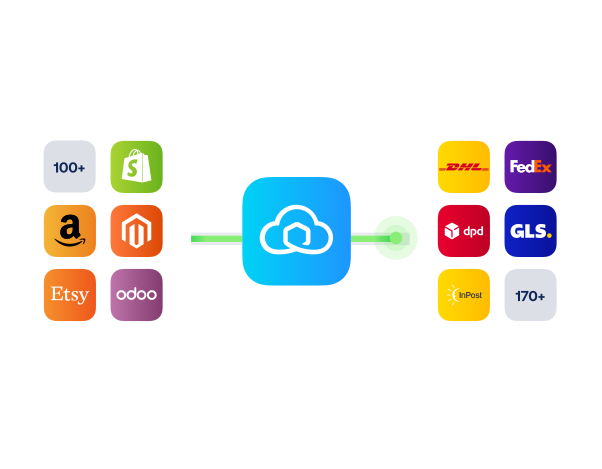
Connect Xentral with Sendcloud to sync orders, create labels, and ship with 170+ carriers from your cloud ERP.

170+ carriers available

Discounted shipping rates

Cancel anytime

4.6 Shopify App Store

4.6 G2

4.3 Trustpilot

Why Xentral merchants choose Sendcloud

Smart shipping with Xentral

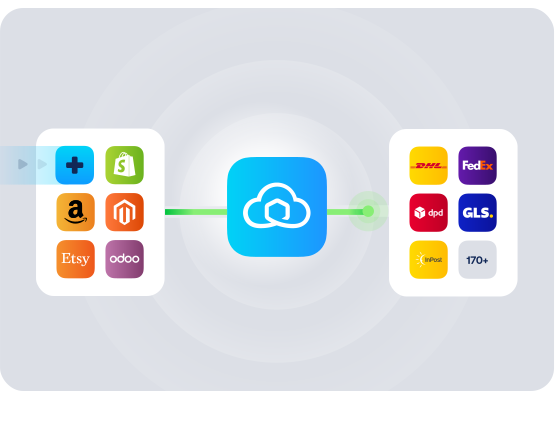
Manual shipping in Xentral slows growing teams. Connect Sendcloud to sync orders, automate label creation, and ship with 170+ carriers without leaving the ERP. Tracking writes back, so customer service has answers when buyers ask.

Enable a multi-carrier setup with one shipping method in Xentral

Use your own carrier contracts from a single workflow

Shorten time to ship with automation that triggers at dispatch
HOW TO CONNECT

A simple 3-step flow:

Run your shipping operations from one place.
Connect Xentral to Sendcloud
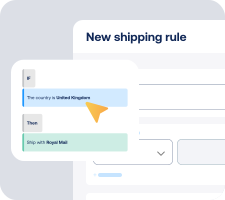
Choose carriers and automate shipping rules

Manage shipping, tracking, and returns in one place

Get the most out of Xentral with Sendcloud

Grow your business

Scale Xentral orders without rebuilding logistics.

Ship more efficiently

Cut clicks by creating labels in your ERP workflow.
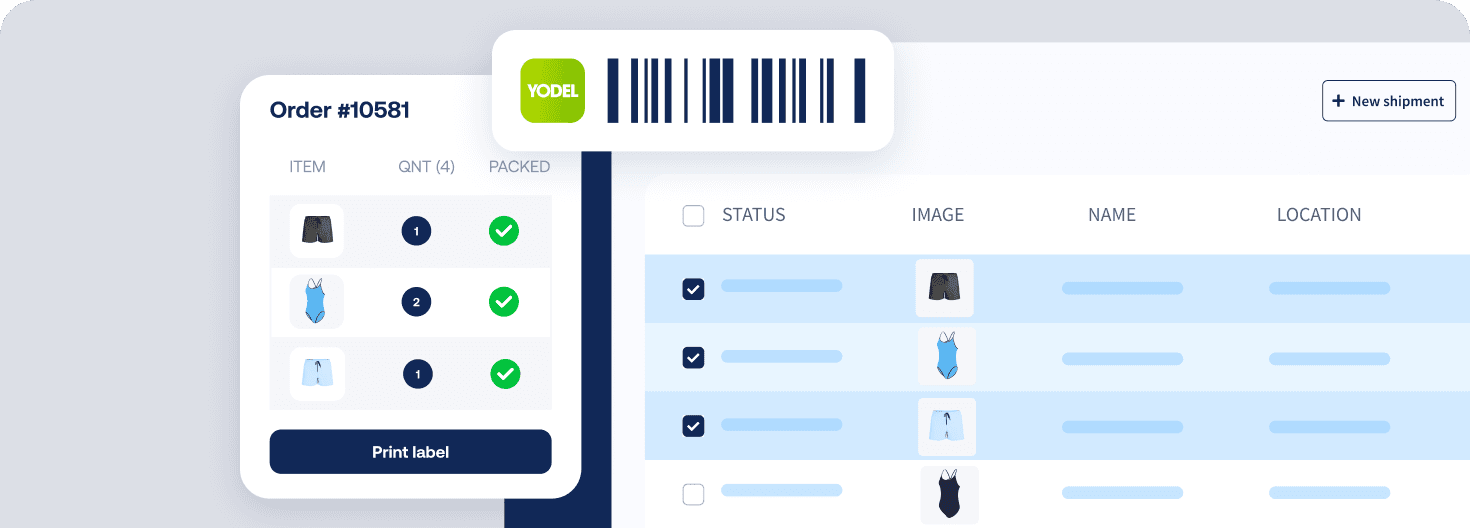
Deliver great experiences

Send branded tracking from Xentral delivery data.
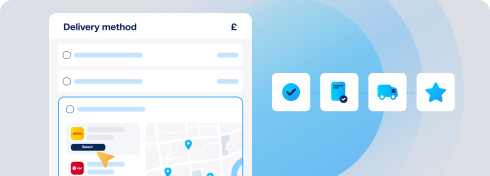
Resolve shipping issues faster

Sync tracking back to Xentral to deflect WISMO tickets.

MULTI-CARRIER STRATEGY

Xentral shipping with the carriers your operations need

Ship every order on the right service. Use 170+ carriers in Sendcloud or upload your contracts and manage everything from inside Xentral.

Questions & answers

How do we connect Xentral to Sendcloud?

Setup takes a single session. In Xentral, connect through Sendcloud's API or the Xentral app screen, and orders start syncing into Sendcloud. Your Xentral integration is live as soon as the first label prints.

For step-by-step instructions, see Sendcloud's Xentral Help Center article.

What does the Xentral integration include?

Once connected, Sendcloud automates the shipping work and writes results back.

  • Order import from Xentral into Sendcloud

  • Multi-carrier rate selection across 170+ carriers

  • Shipping rules by destination, weight, value, or tags

  • Label creation for single or batch flows

  • Tracking write-back to Xentral orders

  • Customs documents auto-generated for non-EU shipments

  • Xentral shipping integration scales as you add or switch carriers

Will the Xentral integration fit our existing fulfillment workflow?

Yes. Sales orders, inventory, and accounting stay in Xentral. Sendcloud sits on top for carrier selection, label printing, and tracking.

  • Field mapping: Use the order data our team already has, including SKUs, weights, and addresses.

  • Warehouse-aware: Apply shipping rules per warehouse and batch print by pick wave.

  • Flexible printing: Print to thermal or PDF from our packing stations.

Most teams plug Sendcloud in alongside their current setup, extending the Xentral carrier integration without changing how they book inventory or post accounting.

How much does the Xentral integration cost, and can we cancel?

Most ERP teams start on a paid Sendcloud plan (Lite, Growth, or Premium) since you'll typically ship on your own carrier contracts, which require a paid plan, and run higher monthly volumes. The Free plan is enough to validate the connection.

Disconnect your Xentral Sendcloud connection anytime from Settings > Integrations. No contract, no exit fees. See Sendcloud plans and pricing.

Can we keep our own carrier contracts?

Yes. Use Sendcloud's pre-negotiated rates, upload your own carrier contracts, or mix both. Add or switch carriers anytime across 170+ options. Own-contract setups need a paid Sendcloud plan.

How are international shipments and customs handled?

For non-EU shipments, Sendcloud generates customs documents from your Xentral order data. HS codes, weights, values, and country of origin flow through automatically, including ICS2 compliance.

What stays in Xentral, and what goes to Sendcloud?

Xentral stays your source of truth for inventory, accounting, and order management. Sendcloud handles outbound shipping only: carrier selection, label printing, tracking. Sendcloud doesn't touch inventory or financial records; it pulls order data and writes back tracking.

Questions & answers

How do we connect Xentral to Sendcloud?

Setup takes a single session. In Xentral, connect through Sendcloud's API or the Xentral app screen, and orders start syncing into Sendcloud. Your Xentral integration is live as soon as the first label prints.

For step-by-step instructions, see Sendcloud's Xentral Help Center article.

What does the Xentral integration include?

Once connected, Sendcloud automates the shipping work and writes results back.

  • Order import from Xentral into Sendcloud

  • Multi-carrier rate selection across 170+ carriers

  • Shipping rules by destination, weight, value, or tags

  • Label creation for single or batch flows

  • Tracking write-back to Xentral orders

  • Customs documents auto-generated for non-EU shipments

  • Xentral shipping integration scales as you add or switch carriers

Will the Xentral integration fit our existing fulfillment workflow?

Yes. Sales orders, inventory, and accounting stay in Xentral. Sendcloud sits on top for carrier selection, label printing, and tracking.

  • Field mapping: Use the order data our team already has, including SKUs, weights, and addresses.

  • Warehouse-aware: Apply shipping rules per warehouse and batch print by pick wave.

  • Flexible printing: Print to thermal or PDF from our packing stations.

Most teams plug Sendcloud in alongside their current setup, extending the Xentral carrier integration without changing how they book inventory or post accounting.

How much does the Xentral integration cost, and can we cancel?

Most ERP teams start on a paid Sendcloud plan (Lite, Growth, or Premium) since you'll typically ship on your own carrier contracts, which require a paid plan, and run higher monthly volumes. The Free plan is enough to validate the connection.

Disconnect your Xentral Sendcloud connection anytime from Settings > Integrations. No contract, no exit fees. See Sendcloud plans and pricing.

Can we keep our own carrier contracts?

Yes. Use Sendcloud's pre-negotiated rates, upload your own carrier contracts, or mix both. Add or switch carriers anytime across 170+ options. Own-contract setups need a paid Sendcloud plan.

How are international shipments and customs handled?

For non-EU shipments, Sendcloud generates customs documents from your Xentral order data. HS codes, weights, values, and country of origin flow through automatically, including ICS2 compliance.

What stays in Xentral, and what goes to Sendcloud?

Xentral stays your source of truth for inventory, accounting, and order management. Sendcloud handles outbound shipping only: carrier selection, label printing, tracking. Sendcloud doesn't touch inventory or financial records; it pulls order data and writes back tracking.

Questions & answers

How do we connect Xentral to Sendcloud?

Setup takes a single session. In Xentral, connect through Sendcloud's API or the Xentral app screen, and orders start syncing into Sendcloud. Your Xentral integration is live as soon as the first label prints.

For step-by-step instructions, see Sendcloud's Xentral Help Center article.

What does the Xentral integration include?

Once connected, Sendcloud automates the shipping work and writes results back.

  • Order import from Xentral into Sendcloud

  • Multi-carrier rate selection across 170+ carriers

  • Shipping rules by destination, weight, value, or tags

  • Label creation for single or batch flows

  • Tracking write-back to Xentral orders

  • Customs documents auto-generated for non-EU shipments

  • Xentral shipping integration scales as you add or switch carriers

Will the Xentral integration fit our existing fulfillment workflow?

Yes. Sales orders, inventory, and accounting stay in Xentral. Sendcloud sits on top for carrier selection, label printing, and tracking.

  • Field mapping: Use the order data our team already has, including SKUs, weights, and addresses.

  • Warehouse-aware: Apply shipping rules per warehouse and batch print by pick wave.

  • Flexible printing: Print to thermal or PDF from our packing stations.

Most teams plug Sendcloud in alongside their current setup, extending the Xentral carrier integration without changing how they book inventory or post accounting.

How much does the Xentral integration cost, and can we cancel?

Most ERP teams start on a paid Sendcloud plan (Lite, Growth, or Premium) since you'll typically ship on your own carrier contracts, which require a paid plan, and run higher monthly volumes. The Free plan is enough to validate the connection.

Disconnect your Xentral Sendcloud connection anytime from Settings > Integrations. No contract, no exit fees. See Sendcloud plans and pricing.

Can we keep our own carrier contracts?

Yes. Use Sendcloud's pre-negotiated rates, upload your own carrier contracts, or mix both. Add or switch carriers anytime across 170+ options. Own-contract setups need a paid Sendcloud plan.

How are international shipments and customs handled?

For non-EU shipments, Sendcloud generates customs documents from your Xentral order data. HS codes, weights, values, and country of origin flow through automatically, including ICS2 compliance.

What stays in Xentral, and what goes to Sendcloud?

Xentral stays your source of truth for inventory, accounting, and order management. Sendcloud handles outbound shipping only: carrier selection, label printing, tracking. Sendcloud doesn't touch inventory or financial records; it pulls order data and writes back tracking.

When delivery goes wrong, your brand shows up first

Connect Sendcloud to Klaviyo today.

Free plan available

Works with your shop

Cancel anytime

Connect Klaviyo

FInd out more